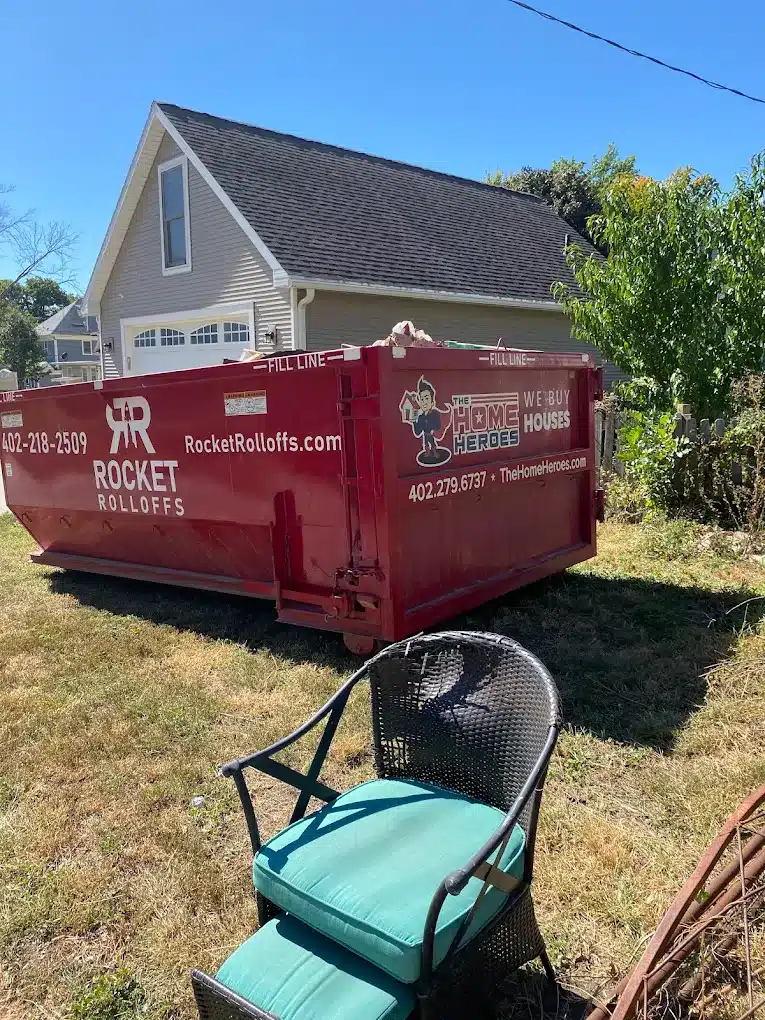
Spring Roof Replacements in Nebraska: How to Choose the Right Dumpster Size
Spring in Nebraska is beautiful. But it also brings unpredictable weather. After the winter freeze thaws and the heavy spring storms roll through, many homeowners discover their roofs have taken a severe beating. If you are a local contractor gearing up for the busy season or a homeowner planning a DIY roof replacement, you are already aware of the intense physical labor involved.
However, one of the biggest logistical headaches of any roofing project is determining what to do with all the old material. When you choose the right dumpster size for your roof tear-off, you keep your job site safe, avoid unexpected overage fees, and keep the entire project on schedule. At Rocket Rolloff, we have seen it all. Let us break down exactly how to match your specific roofing job to the perfect container.
Understanding Roofing Squares and Debris Volume
To accurately figure out the debris volume of your old roof, you need to speak the language of professional contractors. The construction industry measures roofs not just by the square foot, but by the roofing squares.
One roofing square equals exactly 100 square feet of shingles. When you calculate how many squares you are tearing off the house, you can start to visualize the sheer amount of roofing debris you will need to toss out.
Keep in mind that older homes sometimes have multiple layers of asphalt shingles hiding underneath. If you are removing two layers instead of one, you are instantly doubling your total debris volume. This is the absolute most common mistake people make when renting a bin. They calculate the surface area but completely forget to multiply by the number of layers being ripped off the decking.
The Weight Factor: Why Roofing Debris is Different
Roofing materials are notoriously dense. While a standard household basement cleanout fills a bin with bulky but relatively light items like old couches, roofing jobs involve heavy, compact waste. Asphalt shingles, thick underlayment, thousands of nails, and metal flashing add up incredibly fast.
Because these are heavier materials, the weight limit becomes just as important as the physical space inside the container. Most dumpster rental companies have specific weight allowances built into the cost of their bins. If you toss sixty squares of wet, multi-layered shingles into a bin meant for light yard waste, you are guaranteed to exceed the weight limit.
Spring rain can also soak old underlayment, making the load even heavier than anticipated. Exceeding this limit usually results in overage fees, which can quickly eat into your project budget. You always want to communicate exactly what you are throwing away to your rental company so they can guide you toward the proper weight allowance for your specific needs.
Which Dumpster Size Do You Actually Need?
So, how do you translate those roofing squares into the right container size? Here is a simple breakdown to help you plan:
- 15-Yard Bins: For smaller homes, detached garages, or shed roofs under fifteen squares, a fifteen-yard bin usually provides enough space and weight capacity. It is compact enough to fit in most driveways without taking up too much room, making it a great option for tight residential neighborhoods.
- 20-yard dumpster: If you are tackling a standard single family home, typically ranging from twenty to thirty square feet, this is often the sweet spot. It holds a significant amount of asphalt shingles and old plywood without easily exceeding standard road weight restrictions for the trucks that haul them away.
- Larger dumpster: For extensive residential properties, commercial buildings, or jobs with multiple layers of thick architectural shingles, a thirty-yard container offers the maximum volume for extensive tear-offs.
If you are unsure where your specific project falls, spending a few minutes reviewing our
guide on choosing the right size can help you visualize the dimensions and capacities available to you.
Planning Your Roofing Project Waste Management
Renting a roofing dumpster is not just about picking a size; it is about proper site planning. Before the truck arrives, figure out the best placement. You want it close enough to the house to easily toss debris from the roof, but far enough away to avoid damaging siding or landscaping.
Driveway protection is another critical factor. Thousands of pounds of shingles sitting in a steel box can take a toll on concrete. A reputable local business will ensure protective barriers are placed under the wheels to protect your property. Additionally, always check your local regulations. If you need to place the bin on a public street because your driveway is too steep or small, you might need a permit from the city. Ensuring you have comprehensive
waste removal services lined up takes the stress out of the disposal process, letting you focus entirely on getting the new roof installed before the next rainstorm hits.
Serving Eastern Nebraska Contractors and Homeowners
Doing business with a trusted local provider means you get extremely reliable communication and drivers who actually know the area well. Whether you are doing a quick repair before listing a house on the spring real estate market or managing a massive commercial tear off, you need a team that shows up exactly on time. We take pride in navigating the unique neighborhoods and rural routes across the
communities we serve throughout eastern Nebraska. Our ultimate goal is to make the waste management portion of your roofing project the absolute easiest part of your entire work week.